
Basketball Arena: Sport Game
Masomo GamingSports
4.710.74K Reviews
- Version
- 1.134.1
- Installs
- 10.00M
- Age Rating
- Everyone
Screenshots
Our Review of Basketball Arena: Sport Game
 Analysis by Appyee
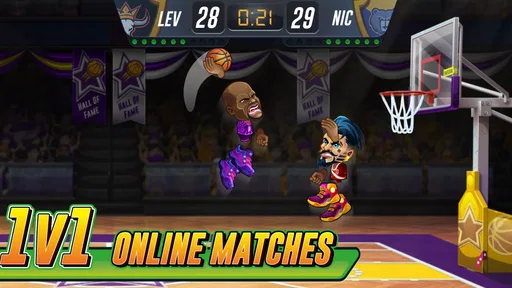
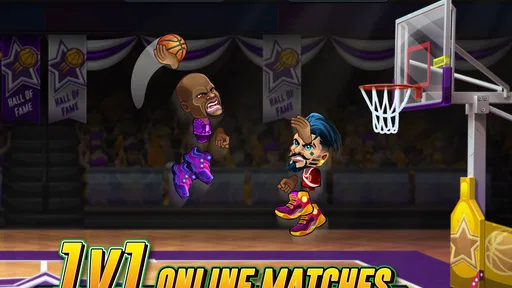
I spent time with Basketball Arena: Sport Game as a quick, competitive basketball game, and my first impression was clear: it is built for people who want a match to start quickly and feel active from the opening possession. It belongs to the sports category, comes from Masomo Gaming, and focuses on real-time one-on-one play rather than a long management campaign or a traditional five-player simulation. That difference matters more than the basketball theme itself.
The game is free to download and suitable for Everyone, which makes it easy to try on a shared family tablet or a personal phone. It has reached over ten million installs, with a 4.7 average from around 306 thousand ratings, so it is not a niche experiment. Still, popularity does not automatically make every match enjoyable. I found that its strongest appeal is the short competitive session: you can play when you have a few spare minutes, learn from a mistake immediately, and decide whether to continue without committing to a long season.
My recommendation is fairly specific. If you enjoy direct contests, quick reactions, and the pressure of facing another player, this is worth installing. If you want a calm offline basketball experience, deep team tactics, or a full console-style simulation, you should look elsewhere. Basketball Arena makes a deliberate trade: it gives up some realism and strategic breadth to keep the action accessible and repeatable.
How a normal match feels from the first possession
The most useful way to approach the game is to treat each match as a compact routine rather than as a complete basketball simulation. I begin by checking the basic controls in a low-pressure game, paying attention to how shooting, movement, and defensive reactions feel on my device. That short adjustment period is important because a control that seems obvious in a store preview can feel different once timing and opponent pressure are involved.
The one-on-one format keeps the court readable. There are fewer players to track than in a conventional basketball game, so my attention stays on spacing, shot selection, and the opponent’s next move. This makes the experience easier to understand than a full team game, but it does not make it effortless. With only one opponent directly challenging me, poor timing is more visible. There are fewer teammates or complicated formations to blame when a possession goes wrong.
I quickly learned not to rush every attack. A tempting shot can be worse than a brief repositioning, especially when the other player is waiting for an obvious attempt. I get more value from watching how the opponent responds to movement before spending a strong opportunity. That habit also makes the game feel less like random tapping and more like a small duel where reading the other player matters.
A practical everyday scenario is a short break between tasks. I can start a match, play with full attention, and stop after the result without needing to remember a large campaign map or manage a complicated roster. That convenience is one of the game’s real strengths. At the same time, the live nature of the contest means it is not ideal when I am distracted, travelling through an unreliable connection, or looking for something completely relaxing.
The opening matches are also useful for deciding whether the game’s pace suits you. Some players will enjoy the immediate pressure of a one-on-one contest. Others may find the repeated pattern too narrow compared with team-based basketball games, arcade sports titles with more varied events, or offline games that allow unlimited practice. I would not install it expecting a slow tutorial followed by a large simulation. Its identity is established almost immediately.
What I watch before trying to win consistently
My first repeatable habit is to separate learning from chasing results. During the first few matches, I focus on recognizing the timing of actions and the space needed for a clean attempt. I do not change my approach after every missed shot. Instead, I look for a pattern: was I too close to pressure, did I react late, or did I choose an attack that the opponent had already anticipated?
That simple review process is more useful than blindly replaying matches. Because the game is built around direct contests, a small improvement can immediately change the outcome. I also avoid treating an early lead as permission to become careless. A player who starts defensively can still punish predictable attacks later, so I try to keep making deliberate choices instead of switching into automatic play.
Another useful routine is to play in short blocks rather than endlessly repeating matches. When I lose several games while making the same rushed decision, continuing usually reinforces the problem. A brief pause helps me return with a clearer plan. This is particularly important in a competitive mobile game, where frustration can make a player spend resources or take unnecessary risks just to recover a lost result.
Settings and preparation that make the experience smoother
I always check the game’s available options before settling into regular play. The most important settings are the ones that affect comfort: sound, notifications, display behavior, and any control choices the game exposes on the device. I do not assume the default arrangement is best for every phone. A control layout that works on a larger screen may feel cramped on a smaller one, and a loud match can be inconvenient in a public place.
It is also worth checking the device itself before blaming the game for an uncomfortable session. I close demanding apps, make sure the screen is clean, and play with the phone held in a stable position. A competitive game magnifies small interruptions. An accidental touch, a notification covering part of the screen, or an unstable connection can turn a reasonable decision into a lost possession.
The current version is 1.134.1 and the game requires Android 6.0 or later. That makes it accessible to a broad range of Android devices, although compatibility does not guarantee identical performance on every phone. I would still install it on the device where I plan to play most often, rather than assuming that a newer tablet and an older phone will feel exactly the same.
Because the game is free, the first setup decision is not financial but practical: decide whether you want to play casually without spending or whether optional purchases could become part of your routine. In-app purchases range from $0.49 to $199.99 per item. That is a wide spread, so I recommend setting a personal limit before competitive momentum makes a purchase feel like the easiest solution to a frustrating loss.
I also pay attention to when I play. A short match is convenient, but real-time competition is less forgiving than a turn-based sports game. If I only have one hand available, poor concentration, or a weak connection, I choose a different time. This is not a criticism of the game’s design; it is a reminder that its main attraction—immediate opposition—also creates its main practical demand.
Small preparation habits that help more than expected
I keep the screen brightness at a comfortable level and avoid playing while the phone is close to overheating. These are ordinary habits, but they matter during repeated sessions because touch accuracy and attention can deteriorate when the device becomes uncomfortable. I also prefer headphones or muted sound depending on the setting, rather than letting audio determine whether I can play.
Before a serious run, I play one match as a warm-up instead of judging my ability from the first attempt. This gives me a chance to settle into the controls and notice whether my timing is sharp. If the warm-up feels unusually delayed or inconsistent, I do not immediately spend anything or blame my decisions. I check the connection and device conditions first, then return when the session feels stable.
These habits do not unlock secret abilities, and they are not substitutes for skill. Their value is that they remove avoidable friction. In a game where a few rushed moments can decide a close contest, reducing distractions is more useful than searching for a magical setting.
Faster patterns for making better decisions
Once the controls feel familiar, I stop trying to make every possession spectacular. My faster pattern is simple: create a readable situation, observe the opponent’s response, and only then commit. That approach keeps me from wasting an attack on a move that was obvious from the start. It also makes defensive play more active because I am watching for habits rather than reacting to every movement independently.
I try to vary the rhythm of my attacks. Repeating the same timing may work against a new player, but it gives an experienced opponent a clear answer. Changing the moment of the attempt, pausing briefly, or choosing a safer position can make my next action less predictable. The point is not to perform complicated tricks; it is to avoid becoming easy to read.
On defense, I focus on denying the opponent’s comfortable option instead of chasing every fake. This is a useful distinction. If I react to every small movement, I spend the whole possession behind the play. I get better results when I identify the action the opponent is trying to create and position myself to make that action awkward. Even when the possession is lost, I can learn whether my read was wrong or my timing was late.
I also treat a lead as a reason to become more disciplined, not more aggressive. A player ahead on the scoreboard does not need to force a highlight moment. Careful choices reduce the chance of giving the opponent an easy opening. Conversely, when I am behind, I avoid turning every possession into an emergency. One desperate decision can create a larger gap than a patient attempt would have.
For players who want a repeatable practice plan, I suggest dividing sessions into three goals. First, play a few matches while focusing only on clean control. Next, concentrate on recognizing the opponent’s preferred attack. Finally, return to normal play and see whether the new habit survives pressure. This is more productive than trying to improve shooting, defense, speed, and decision-making all at once.
How it compares with other basketball choices
Compared with a full basketball simulation, this game is much easier to enter but less complete in its representation of the sport. You are not managing a full lineup or directing every player across a large court. That makes it a better fit for quick competitive sessions and a weaker choice for someone who wants detailed team systems, extended seasons, or realistic coaching decisions.
Compared with an offline arcade basketball game, the direct contest adds tension but also removes some freedom. I cannot treat every session as a relaxed shooting drill because another player’s decisions influence the pace. If you enjoy reacting to a human opponent, that is a major advantage. If you want to repeat the same challenge privately until it feels perfect, an offline alternative may be more comfortable.
It also sits differently from management-focused sports games. Those titles reward long-term planning, roster building, and statistical decisions. Basketball Arena puts more weight on what I do in the moment. I would choose it for a quick test of reactions and judgment, not as a replacement for a deep basketball manager.
The game’s broad age rating and free entry make it approachable, but approachable does not mean equally satisfying for everyone. Younger players may enjoy the immediate matches, while adults looking for a serious competitive routine should consider the purchase structure and the pressure of real-time play. The right comparison is not “which basketball game is best?” but “do I want a short one-on-one contest or a broader basketball system?”
Where the competitive design reaches its limits
The same focused structure that makes the game easy to understand can eventually feel repetitive. Once I understand the basic rhythm, the court and match format do not offer the same variety as a large team game with multiple positions and tactical layers. That does not make the design unsuccessful; it means the game depends on improving execution and reading opponents to stay interesting.
Another limitation is emotional rather than technical. Real-time matches can make a narrow loss feel more personal than a missed attempt against computer-controlled opposition. I have to be willing to accept that a good decision can still fail because the opponent reacted better. Players who dislike competitive pressure may enjoy the first few matches but lose interest once the novelty fades.
The free-to-play structure deserves a clear-eyed approach. The game costs nothing to start, while optional items can cost from less than a dollar to nearly two hundred dollars each. I would not recommend buying anything simply because a losing streak feels uncomfortable. First decide whether the game remains enjoyable without spending, then consider whether a purchase supports the way you already play. If the only reason to pay is to escape frustration, that is a warning sign.
I also would not choose it as a guaranteed offline companion. Its central appeal is live one-on-one competition, so anyone looking specifically for a game that works independently of a connection should consider a different basketball title. Likewise, players who need long sessions with a story, detailed customization, or a large collection of modes may find the focused format too limited.
These boundaries helped me understand the game better. It is not trying to be every kind of basketball experience at once. It is a compact competitive game that asks me to make quick decisions, learn from direct opposition, and return for another contest. The more accurately I judge that purpose, the more enjoyable it becomes.
Who should install it, and who should skip it
I would recommend it to someone who likes sports games that are quick to start, easy to understand, and difficult to master through repetition. It is especially suitable for a player who enjoys testing a small set of decisions against another person rather than managing a large team. It also works well for short breaks, provided you can give the match your full attention.
I would suggest skipping it if your priority is a deep offline campaign, realistic five-on-five strategy, or a completely pressure-free practice environment. A traditional simulation will offer more tactical detail, while a casual shooting game may be better when you only want to relax. This title is strongest when its competitive focus matches your expectations.
For families, the Everyone rating makes the game broadly approachable, but I would still explain the difference between free access and optional purchases before handing over a device. The game’s age suitability does not remove the need for sensible spending habits. For competitive adults, I would treat the rating and install count as signs of broad reach, not proof that every player will enjoy the same pace.
My verdict after building a repeatable routine
After settling into a routine of checking my setup, warming up, varying my attacks, and reviewing repeated mistakes, I found Basketball Arena most rewarding as a focused skill game. It does not need a long session to make a point. A single match can expose a timing problem, a predictable habit, or a defensive mistake, and the next match gives me an immediate chance to respond.
Masomo Gaming has chosen a clear direction here: accessible basketball action with the pressure of a live one-on-one contest. The result is more engaging than a basic shooting drill for players who enjoy opposition, but less versatile than a full basketball simulation. That trade-off is easy to understand once you stop expecting it to provide every possible basketball mode.
The 4.7 average from around 306 thousand ratings and more than ten million installs suggest that the format has connected with a large audience. I see why: it is free to begin, suitable for Everyone, and compact enough to fit naturally into a busy day. Its current version, 1.134.1, supports the game’s ongoing availability on Android devices running 6.0 or later.
My final advice is to try it with a clear boundary. Play several matches without treating purchases as a shortcut, adjust the settings that affect comfort, and judge whether you enjoy reading another player’s decisions. If that loop feels satisfying, the game can become a dependable short-session sports title. If you are searching for team management, offline depth, or a realistic basketball broadcast experience, your time will be better spent with a different kind of game.
Basketball Arena is at its best when you want a quick, competitive basketball duel and are willing to improve through repeatable habits. I would recommend it to the right player—not because it covers every basketball preference, but because its narrow focus gives its matches a clear purpose and a surprisingly useful sense of progression through practice.
Verdict
Strengths of Basketball Arena: Sport Game
- Fast matches are ideal for short play sessions.
- Simple controls make it easy to start playing.
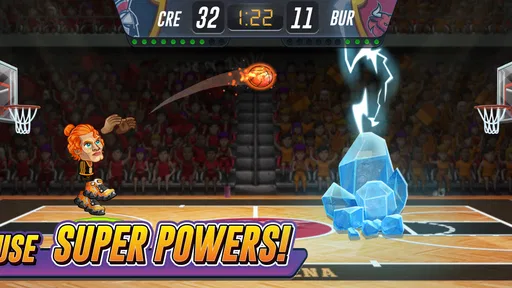
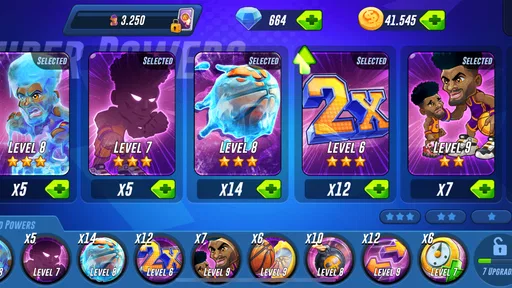
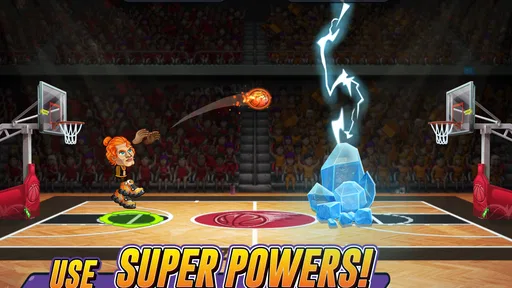
- Character abilities add variety to each match.
- Regular events provide extra goals and rewards.
- Bright visuals and animations keep games entertaining.
Limitations of Basketball Arena: Sport Game
- Progress can feel slow without frequent play.
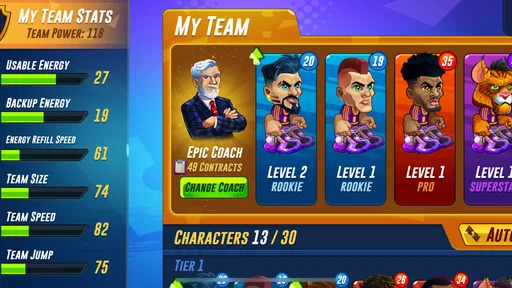
- Some upgrades may require significant grinding.
- Online matchmaking may pair players with stronger teams.
- Limited defensive control can make matches feel repetitive.
- Ads or in-app purchases may interrupt the free experience.
Other Releases by Masomo Gaming
View All
Head Ball 2 - Online Soccer
Sports4.5
Similar Picks in This Category
View All
8 Ball Pool
Miniclip.com4.8

Pooking - Billiards City
AIM TOP GAME TECHNOLOGY LIMITED - pool4.6

Carrom Pool: Disc Game
Miniclip.com4.4

EA SPORTS FC Soccer Mobile 26
ELECTRONIC ARTS4.6

World Soccer League
mobirix4.3

Soccer Cup 2026: Football Game
INLOGIC SPORTS - football tennis golf soccer4.3
Frequently Asked Questions
What is Basketball Arena: Sport Game?
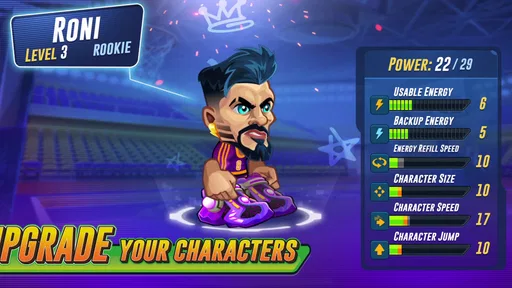
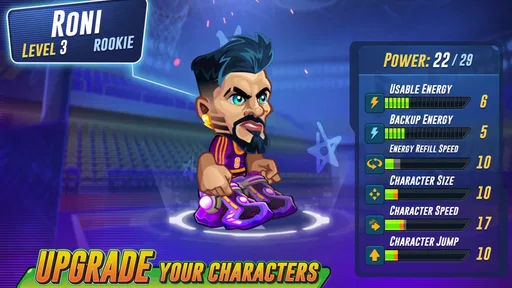
Basketball Arena: Sport Game is a fast-paced mobile basketball title focused on short, competitive one-on-one matches. Instead of simulating full professional games, it combines simple controls, special abilities, character upgrades, and arcade-style action. Matches are designed to be easy to start but increasingly challenging, making the game suitable for quick sessions while still offering progression for players who want to improve.
How do you play Basketball Arena: Sport Game?
Gameplay generally revolves around attacking and defending in real-time basketball duels. You control movement, shots, blocks, and other actions using touch controls, while special skills can change the momentum of a match. Timing is important because rushing a shot or using an ability at the wrong moment can give your opponent an advantage. New players should practice movement, defensive positioning, and skill combinations before focusing only on scoring.
Does Basketball Arena: Sport Game require an internet connection?
An internet connection is typically important for the main competitive features, including online matches, account synchronization, events, rankings, and rewards. Some menus or limited parts of the game may load without a stable connection, but the experience is primarily designed around connected play. Before downloading, players should be prepared for occasional connection issues, especially when playing over mobile data or on an unstable Wi-Fi network.
Is Basketball Arena: Sport Game free to download and play?
Basketball Arena: Sport Game is generally available as a free-to-download game, but it may include optional in-app purchases. These purchases can provide currency, upgrades, cosmetic items, or other progression-related advantages, depending on the current version. You can play without spending money, although progress may feel slower and some competitive upgrades may require patience. Parents should also review purchase settings before allowing children to play.
Is Basketball Arena: Sport Game suitable for beginners and younger players?
The game is relatively accessible because its controls are designed for touchscreens and matches are shorter than traditional basketball simulations. Beginners can learn the basic actions quickly, although online opponents and upgraded characters may create a noticeable difficulty increase. Its suitability for younger players depends on parental preferences, since competitive features, advertising, in-app purchases, and online interaction may be present in the version installed.
Play our best games!


